

How Older Adults Can Stay Safe and Healthy During the Summer Heat
Summer brings longer days, outdoor activities, family gatherings, and opportunities to enjoy the sunshine. However, high temperatures and humidity can also create serious health risks, especially for older adults.
Adults age 65 and older are more likely to experience heat-related health problems. The body may not adjust to temperature changes as efficiently with age, and certain chronic conditions or medications can make it more difficult to stay cool.
The good news is that many heat-related illnesses can be prevented. A few simple routines, along with a clear plan for especially hot days, can help older adults stay safe, comfortable, and healthy throughout the summer.

Why Are Older Adults More Vulnerable to Extreme Heat?
As people age, the body may become less effective at regulating its temperature. Older adults may also be less likely to notice that they are becoming overheated or dehydrated.
Heat-related risks may be higher for people who:
Have heart disease, diabetes, poor circulation, obesity, or other chronic health conditions
Take medications that affect sweating, hydration, circulation, or body temperature
Have limited mobility
Live alone
Do not have reliable access to air conditioning
Have memory loss or difficulty communicating discomfort
Have been advised to limit their fluid intake
Certain health conditions and medications can increase the effects of heat, which is why older adults should speak with a healthcare professional about any personal precautions they may need to take.
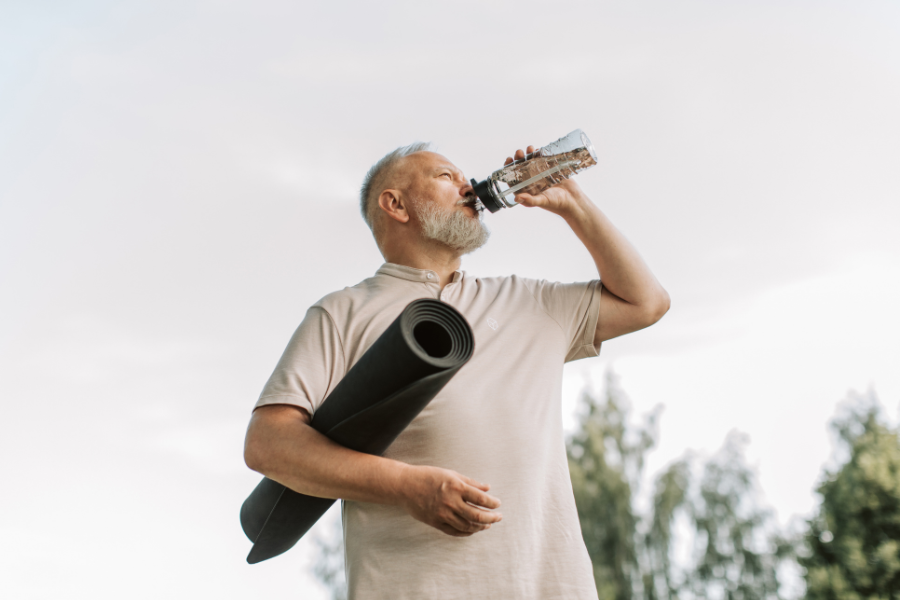
1. Drink Water Throughout the Day
Waiting until you feel thirsty may not be enough during hot weather. Older adults should drink water regularly throughout the day, especially when spending time outdoors or in a warm environment.
Keep water within easy reach and consider using a refillable bottle to make hydration easier to track. Foods with a high water content, such as watermelon, cucumbers, oranges, berries, and soups served cold, may also contribute to hydration.
Alcohol and large amounts of caffeine may contribute to dehydration and should be limited during periods of extreme heat.
Anyone who has been instructed to limit fluids because of heart, kidney, or another medical condition should ask their healthcare provider how to safely manage hydration during hot weather. The National Institute on Aging specifically recommends discussing fluid needs with a doctor when medical restrictions apply.
2. Stay in a Cool Environment
Air conditioning is one of the most effective ways to reduce heat-related health risks.
During the hottest part of the day, older adults should remain in an air-conditioned home or visit a cooler public location, such as:
A library
A shopping center
A senior center
A community cooling center
The home of a friend or relative
Even spending a few hours in a cool location can help lower the health risks associated with extreme heat.
At home, close blinds or curtains during the sunniest hours and avoid using appliances that generate unnecessary heat. Fans may provide comfort in moderately warm conditions, but they should not be the only cooling method when indoor temperatures become dangerously high.
3. Plan Outdoor Activities Carefully
Outdoor errands, exercise, gardening, and appointments should be scheduled during the cooler parts of the day whenever possible.
Early morning is often safer than the afternoon, when temperatures tend to be higher. Check the weather forecast and local heat alerts before leaving home.
When outdoors:
Take frequent breaks in a shaded or air-conditioned area
Avoid strenuous activity during peak heat
Carry water
Do not remain inside a parked vehicle
Stop immediately if you feel weak, dizzy, unusually tired, or faint
Older adults who exercise outdoors should pay close attention to heat and humidity, wear breathable clothing, and know the warning signs of heat-related illness.
4. Wear Lightweight, Sun-Safe Clothing
Choose loose-fitting, lightweight, and light-colored clothing that allows air to circulate.
A wide-brimmed hat, sunglasses, and sunscreen can help protect the skin and eyes during outdoor activities. Closed-toe, supportive shoes may also reduce the risk of falls when walking on hot or uneven surfaces.
Comfort should come before appearance on especially hot days. Clothing that traps heat or restricts airflow may make it harder for the body to cool itself.
5. Review Medications and Health Conditions
Some medications may affect how the body responds to heat. These can include certain medications for blood pressure, allergies, depression, swelling, sleep problems, and other conditions.
Older adults should not stop or change any medication without medical guidance. Instead, ask a pharmacist or healthcare provider:
Does this medication increase sensitivity to heat?
Could it affect hydration or sweating?
Does it need to be stored below a certain temperature?
Should any routines change during periods of extreme heat?
Keeping an updated medication list and emergency health information in one place can make these conversations easier.
For families organizing important medical, household, financial, and personal information, the All in Legacy Bundle provides a practical way to keep essential details together and accessible.
6. Know the Warning Signs of Heat Exhaustion
Heat exhaustion can develop when the body loses too much water and salt. It requires prompt attention because it may progress to heat stroke.
Possible signs of heat exhaustion include:
Heavy sweating
Weakness or unusual fatigue
Dizziness
Headache
Nausea or vomiting
Muscle cramps
Cool, pale, or clammy skin
A fast or weak pulse
Feeling faint
Move the person to a cooler location, loosen unnecessary clothing, and apply cool, wet cloths. Offer small amounts of water when the person is awake and able to swallow safely.
Seek medical help if symptoms worsen, do not improve, or if there are concerns about the person’s health.
7. Treat Possible Heat Stroke as an Emergency
Heat stroke is a medical emergency. Call 911 immediately if heat stroke is suspected.
Warning signs may include:
Confusion or unusual behavior
Loss of consciousness
Fainting
Seizures
Very high body temperature
Hot, red skin
A strong, rapid pulse
Severe headache
Difficulty speaking or responding
While waiting for emergency assistance, move the person into a cool or shaded area and begin cooling them with wet cloths or cool water. Do not force fluids if the person is confused, unconscious, vomiting, or unable to swallow safely.
The National Institute on Aging advises calling 911 immediately when heat stroke is suspected.
8. Create a Summer Check-In Plan
Older adults who live alone may not realize that their home has become too warm or that they are beginning to feel unwell.
Family members, neighbors, friends, and caregivers can create a simple check-in routine during heat advisories. This may include:
A morning and afternoon phone call
Confirming that the air conditioner is working
Checking that water is readily available
Reviewing upcoming appointments and transportation
Making sure medications are stored correctly
Identifying a backup cooling location
Watching for changes in mood, behavior, or alertness
Do not rely only on the older adult to report that something is wrong. Confusion and reduced awareness can be symptoms of overheating.
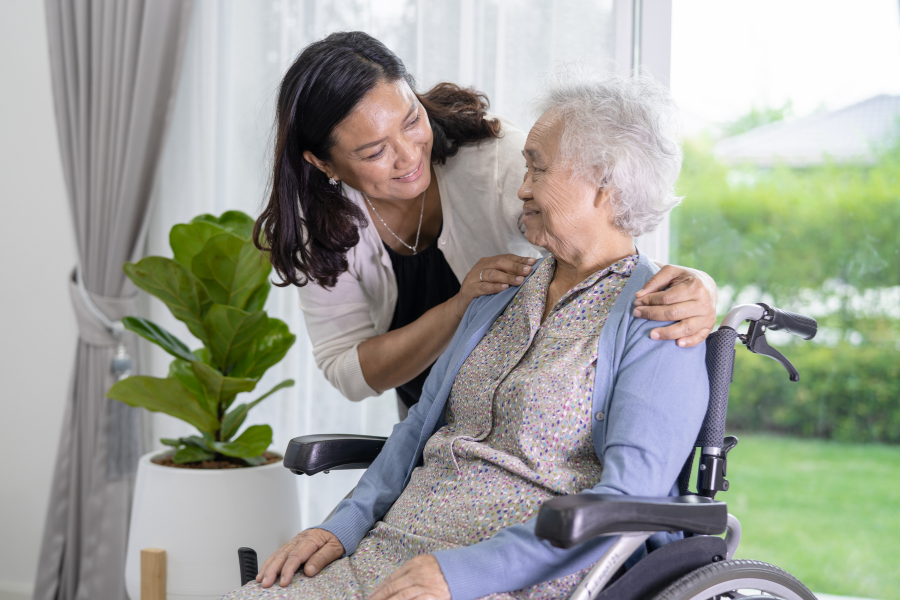
How Caregivers Can Help During Hot Weather
Caregivers play an important role in preventing heat-related emergencies.
Before and during periods of extreme heat, caregivers can:
Check indoor temperatures regularly
Encourage frequent water breaks
Prepare light, hydrating meals
Reschedule unnecessary outdoor activities
Keep emergency contacts easy to find
Record symptoms, medications, fluid intake, and changes in behavior
Arrange transportation to an air-conditioned location when needed
Make sure the older adult is not left in a parked vehicle
For caregivers managing appointments, observations, routines, questions, and day-to-day responsibilities, the Caregiving Journal can help keep important information organized in one convenient place.
Create a Summer Heat Safety Kit
A basic summer safety kit can make hot days easier to manage.
Consider keeping the following items together:
Refillable water bottle
List of medications and health conditions
Emergency contact information
Lightweight clothing
Wide-brimmed hat
Sunscreen
Cooling towels or reusable cold packs
Battery-powered fan
Phone charger or portable power bank
Transportation information for a nearby cooling location
The kit should be stored somewhere easy to access and reviewed at the beginning of each summer.

Frequently Asked Questions About Summer Heat Safety for Older Adults
-
There is no single safe temperature for everyone. Humidity, direct sunlight, health conditions, medications, access to cooling, and the length of exposure can all affect risk. Older adults should pay attention to local heat advisories and take precautions before symptoms begin.
-
Fluid needs vary based on health, activity level, medications, and medical conditions. Drinking water regularly is generally recommended, but anyone with a prescribed fluid restriction should follow guidance from their healthcare provider.
-
A fan may help in moderately warm conditions, but it does not replace air conditioning during extreme heat. When indoor temperatures are very high, moving to an air-conditioned location is safer.
-
Early signs may include increased tiredness, dizziness, headache, nausea, muscle cramps, heavy sweating, weakness, or changes in behavior. Move the person to a cool place and monitor symptoms closely.
-
Call 911 for confusion, fainting, seizures, loss of consciousness, very high body temperature, or other possible signs of heat stroke. Heat stroke can be life-threatening and requires immediate medical attention.

A Little Planning Can Make Summer Safer
Summer heat should be taken seriously, but it does not have to prevent older adults from enjoying the season.
Consistent hydration, reliable access to cooling, careful scheduling, medication awareness, and regular check-ins can significantly reduce the risk of heat-related illness. Families and caregivers should make a plan before extreme temperatures arrive so everyone knows what to do, who to contact, and where to go for help.
Planning ahead also provides peace of mind. Resources such as the
All in Legacy Bundle and Caregiving Journal can help families organize important information, track care needs, and prepare for both everyday responsibilities and unexpected situations.
Medical Disclaimer: This article is provided for general educational purposes and is not a substitute for professional medical advice, diagnosis, or treatment. Speak with a qualified healthcare professional about individual health conditions, medications, hydration needs, and heat-related precautions.